
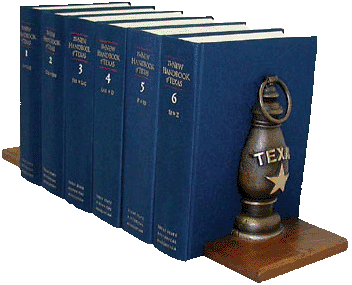
The Handbook of Texas, a digital encyclopedia by the Texas State Historical Association (TSHA), offers free, comprehensive coverage of Texas history, from its earliest inhabitants to the present. With more than 28,000 entries written by historians and experts, the Handbook is continuously expanded through special projects, user suggestions, and scholarly research. Originally published in print in 1952, it transitioned online in 1999, making it one of the first freely accessible digital encyclopedias. Today, it includes thousands of images, videos, and interactive media, engaging millions of users worldwide. Through collaboration with historians and institutions, TSHA ensures the Handbook remains a trusted resource for students, educators, and researchers dedicated to preserving Texas history.
Explore Entries by Topic:
Use one of these options to help narrow your search through our extensive collection of entries.
Trending Handbook Entries:
Our entries are accessed thousands of times per day from all over the globe. This week's Top 12 Handbook of Texas entries include:
William (Red) Garland, jazz pianist, was born in Dallas on May 13, 1923. He began his musical training on the clarinet as a child and played the alto saxophone at Booker T. Washington High School, though he never graduated. He quit to join the United States Army during World War II and took impromptu piano lessons from other servicemen at Fort Huachuca in Sierra Vista, Arizona. After leaving the army in 1944 he joined a band led by Buster Smith, and a year later was touring the southwestern and eastern United States with Oran (Hot Lips) Page. After the tour ended in 1946 in New York, Red Garland began playing in nightclubs.
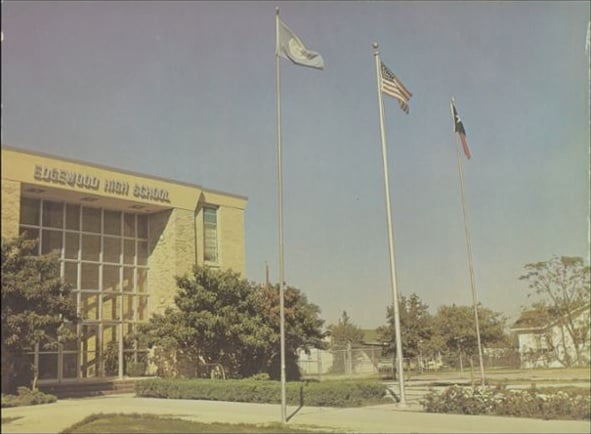
Rodríguez et al. v. San Antonio ISD, a class-action suit, was a 1971 landmark case in which a federal district court declared the Texas school-finance system unconstitutional. The case followed the work of the School Improvement League, a San Antonio organization that battled racial and class inequities in the San Antonio schools although not through legal action. The state of Texas had not addressed school-finance reform since 1949, when the Gilmer-Aikin Laws were passed. On May 16, 1968, 400 students at Edgewood High School in San Antonio held a walkout and demonstration, and marched to the district administration office. Ninety percent of the students in the Edgewood district were of Mexican origin. Among the students' grievances were insufficient supplies and the lack of qualified teachers. The walkout induced parents to form the Edgewood District Concerned Parents Association, which sought to address problems in the schools. The group consisted of Alberta Snid, Demetrio Rodríguez, and other parents, mostly mothers. Rodríguez, a veteran and sheet-metal worker at Kelly Air Force Base, had worked with the American G.I. Forum, the League of United Latin American Citizens, and the Mexican-American Betterment Organization in San Antonio. William Velásquez, an activist in San Antonio, connected the parents' group with lawyer Arthur Gochman, who appealed unsuccessfully to the Mexican American Legal Defense and Educational Fund for assistance. On July 10, 1968, Rodríguez and seven other Edgewood parents filed on behalf of Texas schoolchildren who were poor or resided in school districts with low property-tax bases. They claimed their school district had one of the highest tax rates in the county but raised only $37 per pupil, while Alamo Heights, Bexar County's wealthiest district, raised $413 per student. Studies revealed that in Bexar County the tax rate per $100 property value needed to equalize education funding was $0.68 for Alamo Heights but $5.76 for Edgewood.
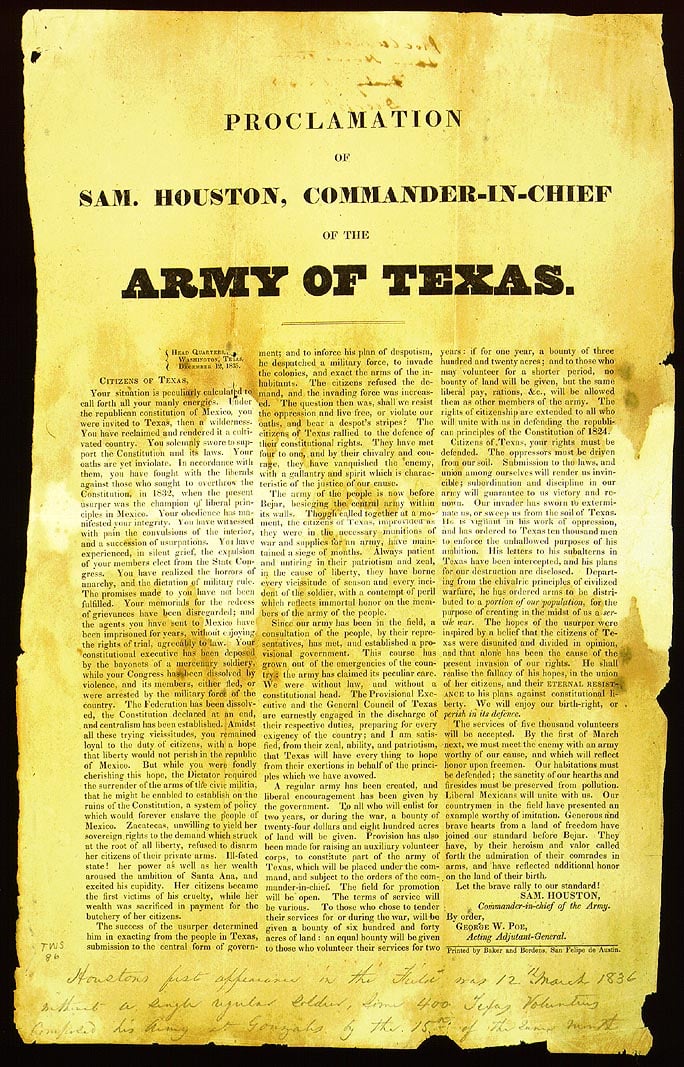
The Texas Revolution began in October 1835 with the battle of Gonzales and ended on April 21, 1836, with the battle of San Jacinto, but earlier clashes between government forces and frontier colonists make it impossible to set dogmatic limits in terms of military battles, cultural misunderstandings, and political differences that were a part of the revolution. The seeds of the conflict were planted during the last years of Spanish rule (1815–21) when Anglo Americans drifted across the Neutral Ground and the eastern bank of the Red River into Spanish territory, squatted on the land, and populated Spanish Texas. More alarming than these illegal residents, who only wanted to "settle and stay," were filibusters such as Philip Nolan, who commandeered portions of Spanish lands for personal gain and political capital. During the fading years of New Spain, its ruling council, the Cortes, worried about securing their far northern frontier and began to encourage foreign immigration to Texas, including Anglo American colonization. One who was eager to take advantage of a change in Spanish policy was Moses Austin, who received a commission from the Spanish governor of Texas to bring 300 families and establish a colony, thereby rebuilding some of his lost fortune associated with the Panic of 1819. Upon his death in 1821, his son and heir Stephen Fuller Austin fulfilled his father's vision and became the first empresario of Texas.
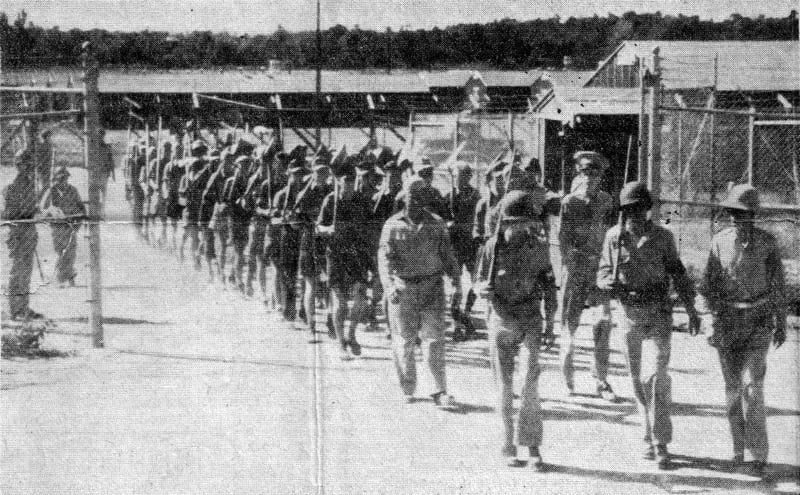
Country Campus, on State Highway 19 some twelve miles northeast of Huntsville in northeastern Walker County, was established during World War II. The community was begun in 1942 as a German prisoners of war camp with a capacity to house 4,800 men. The camp's construction began on May 12, 1942, and its formal opening was observed on September 18 of that year. The camp commander was Lt. Col. H. E. Fischer. The camp had housing and medical facilities, a clothing shop, a barbershop, a laundry, a bakery, a cafeteria, a commissary, a gymnasium, a guardhouse, a fire station, and a motor pool. In addition, clubs for both officers and enlisted personnel were provided. Prisoners held at the camp were leased as laborers to local farmers. The camp was deactivated on January 25, 1946, and the property was donated by the government to Sam Houston State Teachers College (later Sam Houston State University) and renamed the Sam Houston Country Campus. The buildings were adapted to serve as dormitories, administrative offices, classrooms, and recreational facilities. Buses shuttled students between the country and main campuses. A post office was established at the site in 1948, with Mrs. R. H. Maxwell as postmistress. In 1949 the community reported a population of 1,000, and by 1952 it reported 500 residents and three businesses. Its post office closed in 1964, when the town reported 425 residents and one business. By 1968 the population had decreased to 121, and by 1972 the community reported only sixty inhabitants and no businesses. In the 1980s some of the old buildings, a golf course, and pastureland remained at the site. Country Campus in 1990 comprised sixty residents.
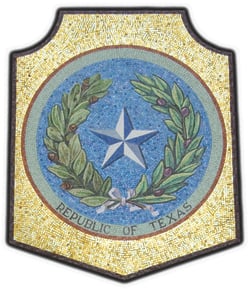
In the fall of 1835 many Texans, both Anglo-American colonists and Tejanos, concluded that liberalism and republicanism in Mexico, as reflected in its Constitution of 1824, were dead. The dictatorship of President Antonio López de Santa Anna, supported by rich landowners, had seized control of the governments and subverted the constitution. As dissension and discord mounted in Texas, both on the military front and at the seat of the provisional government of the Consultation at San Felipe, the colonists agreed that another popular assembly was needed to chart a course of action. On December 10, 1835, the General Council of the provisional government issued a call for an election on February 1, 1836, to choose forty-four delegates to assemble on March 1 at Washington-on-the-Brazos. These delegates represented the seventeen Texas municipalities and the small settlement at Pecan Point on the Red River. The idea of independence from Mexico was growing. The Consultation sent Branch T. Archer, William H. Wharton, and Stephen F. Austin to the United States to solicit men, money, supplies, and sympathy for the Texas cause. At New Orleans, in early January of 1836, the agents found enthusiastic support, but advised that aid would not be forthcoming so long as Texans squabbled over whether to sustain the Mexican constitution. They then proceeded to Washington and separated: Wharton remained in the capital, Archer went to Richmond, and Austin headed for New York City.
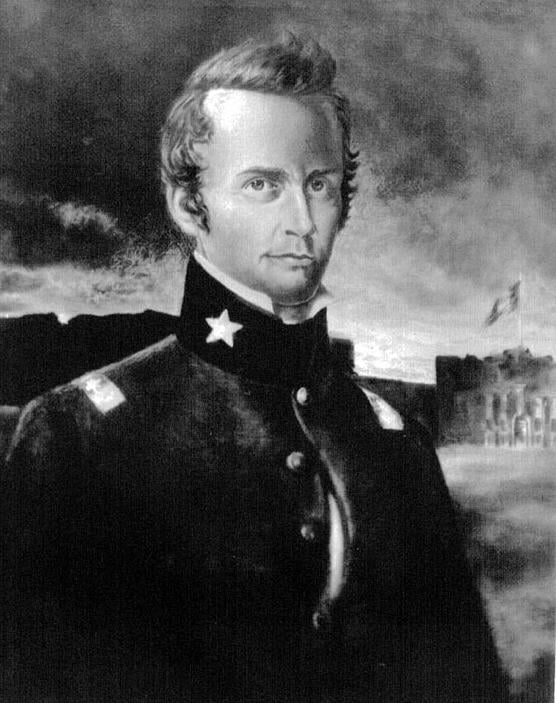
William Barret Travis, Texas commander at the battle of the Alamo, was the eldest of eleven children of Mark and Jemima (Stallworth) Travis. At the time of his birth the family lived on Mine Creek near the Red Bank community, which centered around the Red Bank Baptist Church in Edgefield District, near Saluda, Saluda County, South Carolina. There is some confusion regarding the date and circumstances of his birth. Many sources give the date as August 9, others as August 1, 1809. The family Bible, however, records the former date. Others have confused the date of his birth with that of his elder, and illegitimate, half-brother, Toliferro Travis. Travis's ancestor, William Travers, settled in the Virginia Colony in 1658. Subsequent generations of the family drifted southward to the Carolinas, where Barrick or Barrot Travers established a farm in the Edgefield District. Eventually the name Travers became Travis, and Barrot came to be spelled Barret. Barrot Travis's sons, Alexander and Mark, became farmers, and Alexander also became a prominent clergyman.
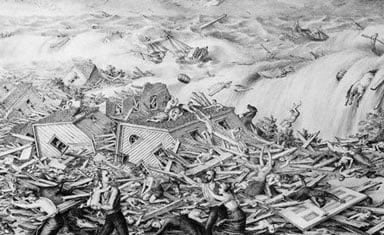
In Galveston on the rain-darkened and gusty morning of Saturday, September 8, 1900, newspaper readers saw, on page three of the local Daily News (see GALVESTON NEWS), an early-morning account of a tropical hurricane prowling the Gulf of Mexico. On the previous day Galveston had been placed under a storm warning by the central office of the Weather Bureau (now the National Weather Service) in Washington, D.C. A one-column headline announced, "Storm in the Gulf." Under that, a small subhead proclaimed, "Great Damage Reported on Mississippi and Louisiana Coasts-Wires Down-Details Meagre." The story, only one paragraph long, had been sent out of New Orleans at 12:45 A.M. that same day, but it added nothing to the information presented in the headlines. Additional details were unavailable "owing to the prostration of the wires." Beneath the New Orleans report appeared a brief local story: "At midnight the moon was shining brightly and the sky was not as threatening as earlier in the night. The weather bureau had no late advice as to the storm's movements and it may be that the tropical disturbance has changed its course or spent its force before reaching Texas."

Singer Selena Quintanilla Perez, known simply as Selena, the daughter of Abraham and Marcella (Perez) Quintanilla, Jr., was born on April 16, 1971, in Lake Jackson, Texas. She married Christopher Perez, guitarist and member of the band Selena y Los Dinos (slang for "the Boys") on April 2, 1992. They had no children. Selena attended Oran M. Roberts Elementary School in Lake Jackson and West Oso Junior High in Corpus Christi, where she completed the eighth grade. In 1989 she finished high school through the American School, a correspondence school for artists, and enrolled at Pacific Western University in business administration correspondence courses.
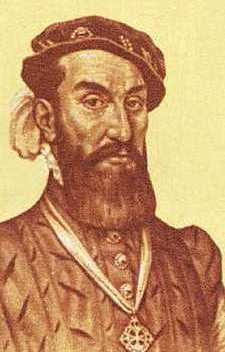
Álvar Núñez Cabeza de Vaca, an early explorer and first historian of Texas, was born in Jerez de la Frontera, an Andalusian province in the south of Spain near Cádiz. The precise year of Cabeza de Vaca’s birth cannot be determined, but it was within the “birth window” of 1487–92. The origin of his surname (“Cow’s Head” in Spanish) is not known, but it assuredly did not come from an alleged ancestor named Martín de Alhaja and his heroics at the battle of Las Navas de Tolosa in central Spain in 1212. That story, repeated by the author of this entry in The New Handbook of Texas (1996) and many others, is unquestionably apocryphal.
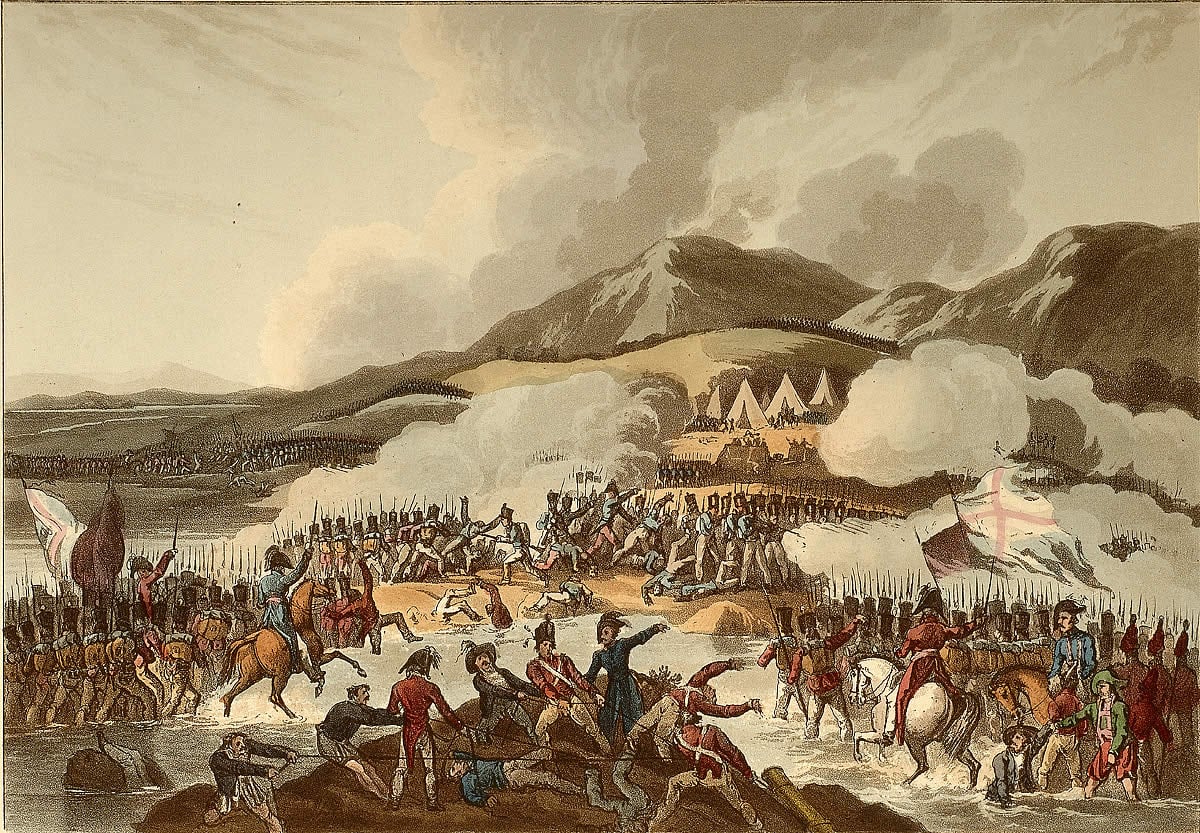
The Mexican War of Independence was in reality a series of revolts that grew out of the increasing political turmoil both in Spain and Mexico at the beginning of the nineteenth century. During the French revolutionary and Napoleonic wars Spain fought both as an ally and as an enemy of France and suffered frequent interruptions in its commerce with its American colonies. Burdened with mounting war debts and facing a deepening economic crisis, Spanish rulers settled on extracting increased colonial revenues to meet European obligations. A royal decree in 1804 ordered imperial officials to confiscate certain church assets and place them at the disposal of the crown. In Mexico, as the church called in loans and mortgages and credit from that source dried up, a financial crisis emerged that was aggravated by an economic downturn caused by disruptions in overseas trade and bad harvests. Growing disaffection in New Spain received considerable reinforcement when Napoleon invaded Spain in 1808 and forced Ferdinand VII to abdicate the Spanish throne in favor of his brother Joseph.
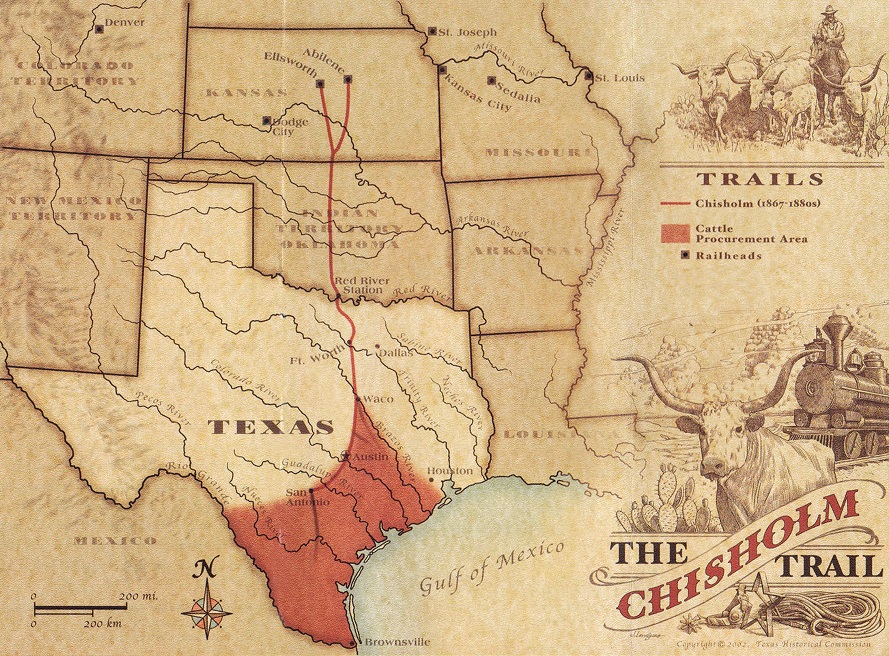
The trail popularly known as the Chisholm Trail was one of several routes used by Texas drovers to move livestock north to markets in Kansas after the Civil War. Its historic period of use as a cattle trail was from the summer of 1867 to 1884. After the cattle market opened at Dodge City by the summer of 1876, much of the herd traffic diverted from this trail route to the Western Trail, also known as the Fort Griffin and Dodge City Trail, to head for the newer markets in Kansas and in neighboring states and territories.
Delivered on Sundays. A free service of the Texas State Historical Association (TSHA).
Unlock Texas History, One Day at a Time! Dive into 500 years of Texas history with Gary Vliet’s engaging daily reader, Texas on this Day. An expanded second edition is now available!
Get your copy today!Texas On This Day
Find out what happened on any given date in Texas history with our Texas Day By Day.
116 years ago today:
Halley's Comet drops meteorite in northeast Texas
197 years ago today:
Irish trader takes citizenship oath
190 years ago today:
Indians take captives at Fort Parker
Most Recent Handbook Entries:
Every one of our entries is written, fact-checked, and reviewed by historians. Our newest additions to the Handbook of Texas include:
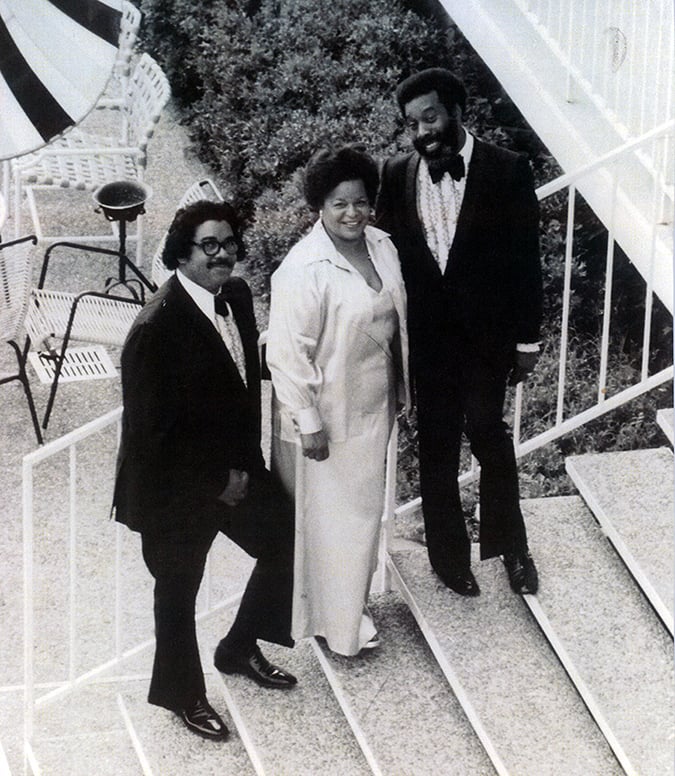
Geneva Marie Taylor Rawlins, jazz musician, bandleader, and choir director, was born on January 9, 1930, to William Everett Taylor, Sr., and Juanita Marie (Williams) Taylor in Guthrie, Oklahoma. She was raised in Wichita, Kansas, and from an early age had a calling for music. Her mother was a church pianist, and her father and an uncle performed rhythm-and-blues locally. She graduated from Planeview High School in Wichita and attended Friends University and Wichita State University (both in Wichita, Kansas) to study classical music. She later completed her undergraduate studies in 1979 with a bachelor’s degree in communications with an emphasis in deaf education from the University of Texas at Austin.
Josiah Taylor, captain in the Republican Army of the North, the military force of the Gutiérrez-Magee expedition into Texas in 1812–13, and early settler of Texas, was born around 1781 in Buckingham, Virginia, to James and Frances Taylor. He was also a former U.S. Army officer and a key player in the 1805 Aaron Burr conspiracy, the plot by former Vice President Aaron Burr and his followers to invade and liberate New Spain.
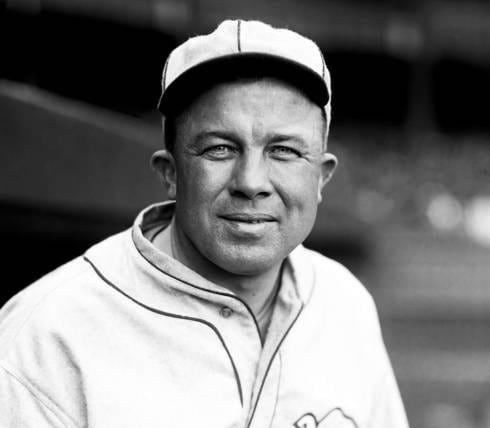
Joseph William Pate, the ace of the Fort Worth Panthers’ pitching staff during the 1920s, was born in the South Texas town of Alice on June 6, 1892. He moved with his parents, Mary Effie (Edelbrock) Pate and William Wesley Pate, to Fort Worth when he was around three years old. He played football and baseball at Central (later Paschal) High School, from which he graduated in 1911, and was sporadically enrolled at Tulane University until 1919. In 1911 he returned to South Texas after signing a contract with the Corpus Christi Pelicans of the Class D Southwest Texas League.
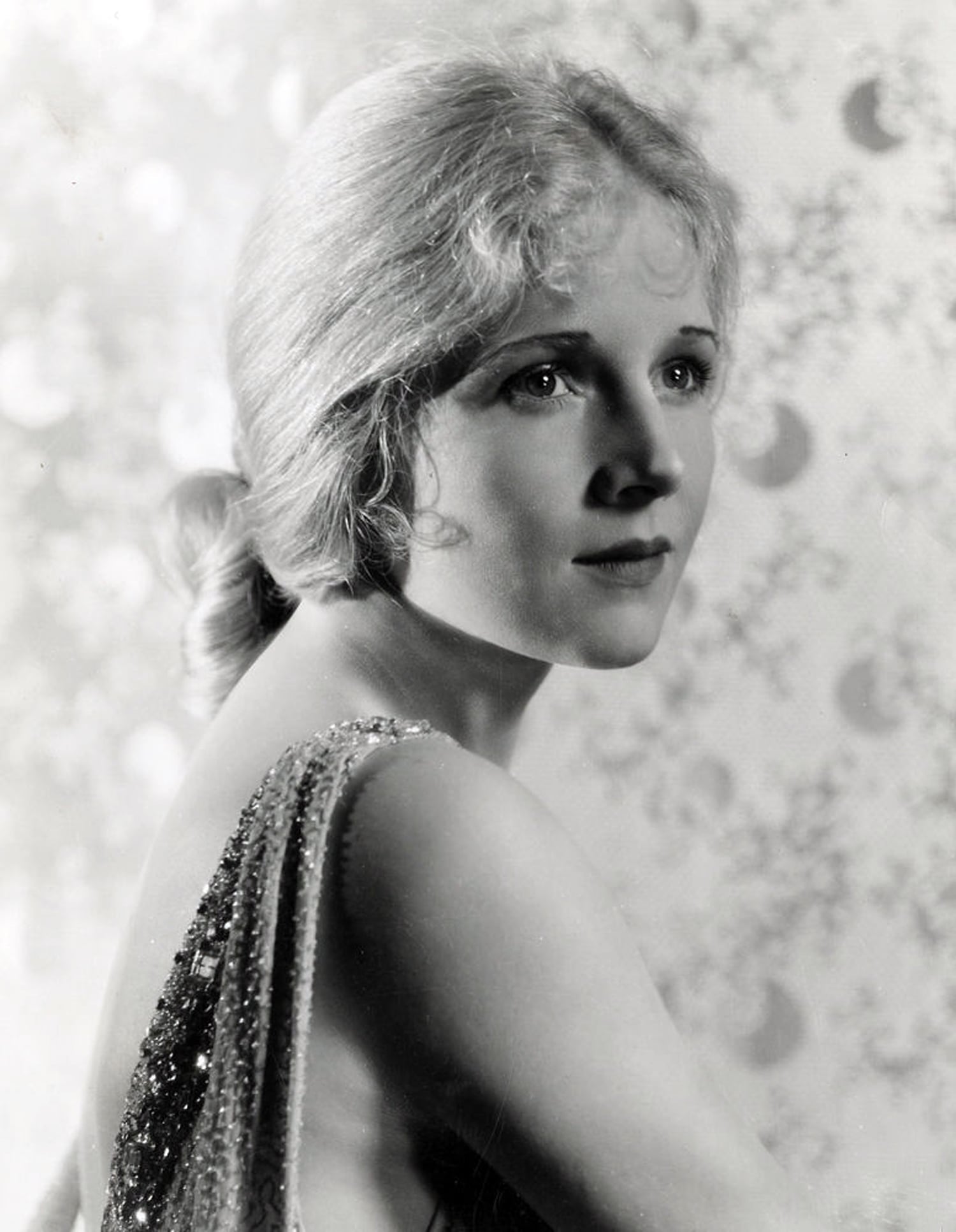
Ann Harding, actress, was born Dorothy Walton Gatley at Fort Sam Houston in San Antonio on August 7, 1902. One of two children (she had an older sister named Edith) born into a military family, her mother was Elizabeth “Bessie” Walton (Crabb) Gatley, daughter of a career U.S. Army officer. Her father was Capt. George Grant Gatley, who served as commander of the Seventeenth Field Artillery Battery during the Moro Rebellion in the Philippines (1902–13) and later served in the punitive Pancho Villa expedition (1916–17), led by Gen. John J. Pershing. During World War I Gatney commanded the Fifty-fifth and Sixty-seventh Field Artillery Brigades. He retired as a brigadier general.
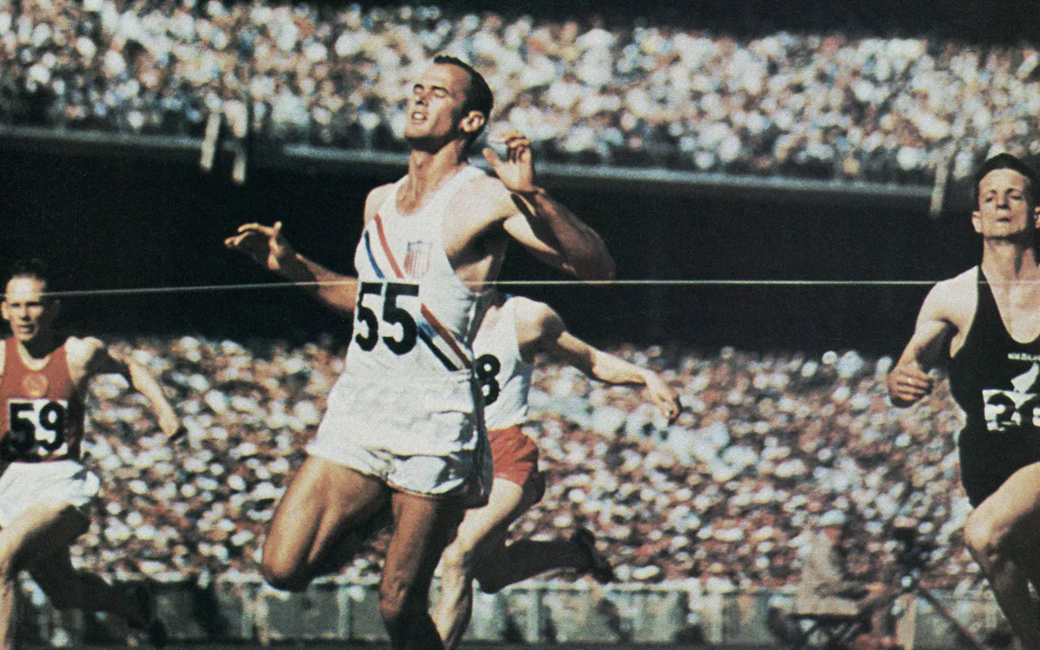
Bobby Joe Morrow, track and field star and Olympic Games gold medal winner, was born to Bob Floyd Morrow and Mattie Lucille (Danley) Morrow, on October 15, 1935, in Rangerville, Texas, a small community south of Harlingen in Cameron County. Regarded for a time as “the world’s fastest human,” Morrow, along with older brother Gordon Bufford Morrow and younger brother Troy Leon Morrow, grew up on the family cotton and vegetable farm. In 1954 Morrow graduated from San Benito High School, where he excelled in football and track and won seventeen 100 and 220-yard dash events, including the state high school championships, in an undefeated senior year.
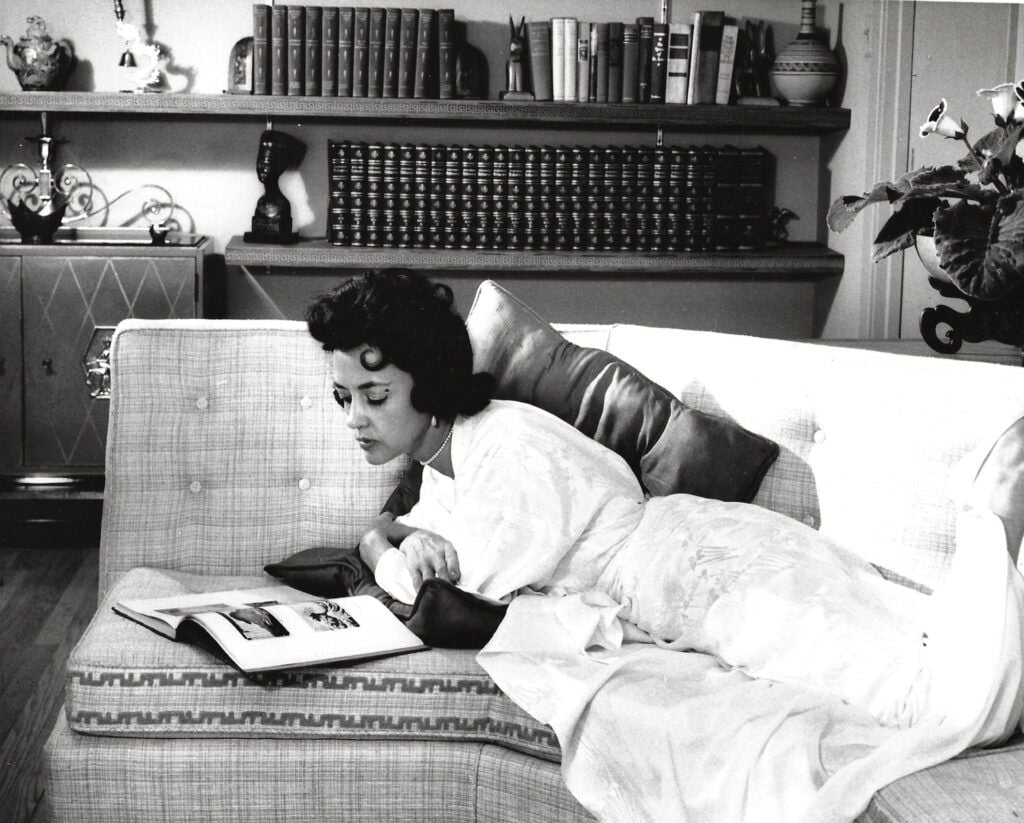
Johnny Fae Nelson George, actress and founder of Houston’s Theatre, Inc., daughter of John Randolph Nelson and Willie Lee (Martin) Nelson, was born in Purley, Franklin County, Texas, on November 24, 1924. The 1940 census recorded the family in nearby Winnsboro in Wood County, where Johnny’s father owned a grocery store and she completed high school. That same year she attended Baylor University, where she studied in Paul Baker’s drama program and was active in the theater. She was also a member of Sigma Tau Delta, Beta Pi Theta, and Alpha Psi Omega. She graduated from Baylor in 1943 and subsequently did post-graduate studies under a fellowship at Smith College with director Hallie Flanagan. She toured with a dance company in Europe and, in Paris, directed a play before returning to New York, where she studied theater at various schools, including with Elia Kazan, and worked as a model. Eventually, she came to Houston to work with Nina Vance in the formative days of the Alley Theatre.
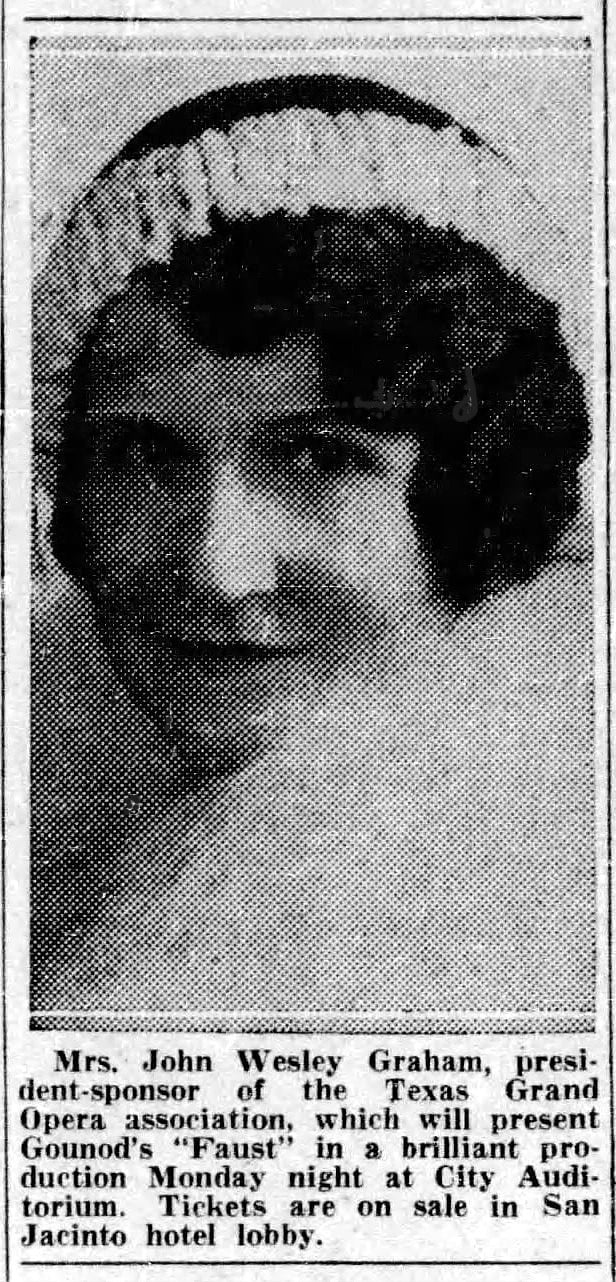
Noma Hallowell “Ma” Graham, musician, educator, and cultural entrepreneur and promoter, daughter of Samuel Nesbit Hallowell and Elizabeth J. (Brumbaugh) Graham, was born in Dahlgren, Illinois, on February 19, 1884. She grew up in Dahlgren, where her father ran a dry goods store. Noma Hallowell married John Wesley Graham on July 19, 1906, in Dahlgren. They had no children. The couple moved to Houston, Texas, in 1910 when he established the Graham Hat Company, a wholesale distributor for Stetson hats along with other caps and gloves.
Balthazar (also spelled Baltazar, Balthasar, and Baltasar) was a Copano-Karankawa chief who negotiated for peace during the Karankawa-Spanish War (1778–89) then advocated the reestablishment of Nuestra Señora del Rosario Mission. Considering Balthazar spoke Castilian Spanish fluently, he very possibly spent his childhood living in Mission Rosario. The Copano (or Copane) Indians were willing to work with the Spanish, and likely Balthazar spent considerable time periodically visiting and living at some of the missions. In historical documents, he served as a mediator and negotiator for the Copano tribe and the Spaniards during European colonization in the late eighteenth century.
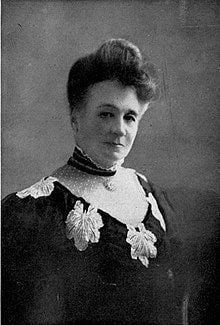
Sarah A. “Fanny” Chambers Gooch Iglehart, Texas author and historian, was born probably on December 9, 1844, near Hillsboro, Mississippi, to William Chambers and Fariba (Magee) Chambers. Though her death certificate lists her year of birth as 1839, federal census information supports 1844 as her birth year. The 1850 census listed the family still in Hillsboro, and the household consisted of ten children. In the mid-1850s her family relocated to Texas, and in 1860 she was living in Waco with her brother Williams Chambers, an attorney.
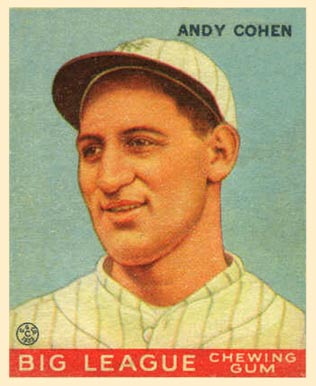
Andrew “Andy” Howard Cohen, professional baseball player, was born in Baltimore, Maryland, on October 25, 1904, to Jewish immigrant parents Manus Cohen, a cigarmaker who had played semipro baseball, and Lena (Dishart) Cohen. He also had a sister, Eva, and a brother, Sydney “Syd” Cohen, a pitcher who also played Major League Baseball (three seasons with the Washington Senators). When he was about seven years old, Cohen moved with his family to El Paso, Texas, reportedly in the hope that the desert climate would alleviate the respiratory problems that afflicted his mother Lena.
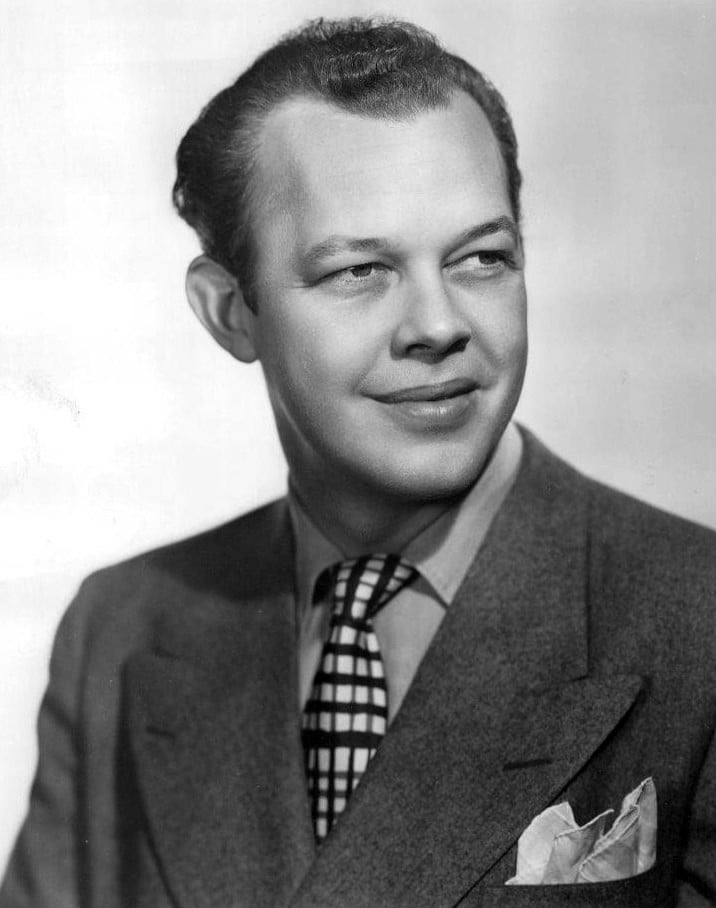
Walker Berry Kroeger, actor, was born in San Antonio on October 16, 1912, to Ethel (Bright) Kroeger and Simpson Kroeger, a railroad mechanical foreman. He was named after his maternal uncle and grew up with four older sisters on the east side of San Antonio.
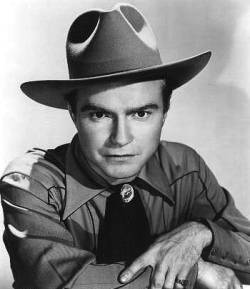
Don “Red” Barry, B-Western actor, was born Milton Poimboeuf in Houston on January 11, 1910. His birth year is often mistakenly listed as 1911 or 1912, which would be impossible, because his nineteen-year-old mother, Emma Elizabeth (Murray) Poimboeuf, died of tuberculosis in March 1910. His father, Louis Leonce Poimboeuf, was a Louisiana-born descendant of French and Spanish heritage. He was raised in part by his paternal grandmother, Regina (Acosta) Poimboeuf, and used the name Donald Michael Barry de Acosta throughout his adulthood.
Join Us in Preserving & Sharing Texas History with the World!
The Handbook of Texas is one of the nation’s largest digital history resources—freely accessible to millions each year.
Encyclopedia entries on Texas history
Readers explore the Handbook each year
Students & educators served annually
Your support ensures this knowledge remains free and accessible to everyone.
Explore Ways to Support →A program of the Texas State Historical Association.
Special Projects
Through collaboration with historians and institutions, TSHA ensures the Handbook remains a trusted resource for students, educators, and researchers dedicated to preserving Texas history.

Dallas-Fort Worth
The tremendous growth of the Dallas-Fort Worth metroplex from the 19th through 21st centuries far outpaced the recorded history of this economically vital area. Texas is often associated with its rural ranching history, yet as the decades passed, the cultural and economic identities of Lone Star State evolved to reflect the increasing importance and influence of the urban areas. No area in Texas illustrates this transformation better than DFW—a well-traveled location during the cattle trailing and early railroad eras that blossomed into a modern financial and cultural hotspot in the present day. We need a more complete documentation of the DFW metroplex, and the Texas State Historical Association (TSHA) seeks to correct this imbalance in the historical record.
Texas Medicine
Texans lay claim to a dynamic medical history. The state has borne witness to deadly disease outbreaks, the establishment of world-renowned medical institutions, and the discovery of new therapeutics and cures. From the first documented surgery on Texas soil by Cabeza de Vaca in the sixteenth century to the innovative research spearheaded by university laboratories to develop vaccines and therapeutics for COVID-19, the medical story of Texas is reflective of the many ways Texans have engaged to protect and promote their health and well-being. Today, the healthcare industry represents a significant share of the Texas economy, contributing more than $108 billion to the state’s GDP, according to data from the Bureau of Economic Analysis. Yet, despite the fundamental role medicine has played in shaping the growth and development of the state, a comprehensive and authoritative medical history of Texas remains unfulfilled. With the development of the Handbook of Texas Medicine, TSHA proudly presents a unique opportunity to address this disparity.
Texas Women
The Handbook of Texas Women project strives to expand on the Handbook of Texas by promoting a more inclusive and comprehensive history of Texas. Texas women make Texas history, and TSHA wants to significantly recognize the various ways women have shaped the state’s history at home, across the state, nationally, and abroad. The impacts of women on Texas history are often overlooked, and as more and more people are accessing information using smartphones, tablets, and other mobile technologies, this project will seize upon the unprecedented opportunities of the digital age in order to reshape how Texas women’s history will be understood, preserved, and disseminated in the twenty-first century.

Texas Music
What is it about Texas music? Trying to define it is like reviewing a dictionary. There is way too much detail to try to pin it down. However, this much is clear: Texans have given American music its distinctive voice, and that's no brag, just fact.
Tejano History
The TSHA is proud to announce the launch of the Handbook of Tejano History, which contains more than 1,200 entries, including 300 new entries, detailing the critical influence of Tejanos on the Lone Star State. Released on March 29, 2016, to commemorate the fourth anniversary of the Tejano Monument unveiling on the Capitol grounds in Austin, the Handbook of Tejano History is the culmination of a two-year effort involving dozens of researchers, educators, students, and Texas history enthusiasts committed to capturing and sharing Tejano contributions to Texas life and culture. Originally conceived in partnership with the board of directors of the Tejano Monument, Inc., the Association’s Handbook of Tejano History joins a number of other important initiatives born out of the legacy of the Tejano Monument, including the Tejano History Curriculum Project and Austin Independent School District’s Cuauhtli Academy/Academia Cuauhtli.
African American Texas
African Americans have been part of the landscape of Texas for as long as Europeans and their descendants. Spanning a period of more than five centuries, African American presence began in 1528 with the arrival of Estevanico, an African slave who accompanied the first Spanish exploration of the land in the southwestern part of the United States that eventually became Texas. While African Americans have been subjected to slavery, segregation, and discrimination during this long history, they have made significant contributions to the growth and development of Texas. They have influenced Texas policies and social standards. Living and working with other ethnic groups, they have helped create a unique Texas culture. Historians have not always acknowledged the role that African Americans have played in the Lone Star State. Although numerous studies of Texas’s past appeared in the twentieth century, until 1970 there remained too many empty pages in the history of the state concerning the black population. This situation has changed since the 1970s, but the need to capture more of the African American experience still exists. For this reason, we are happy to launch the Handbook of African American Texas.
Civil War Texas
At 4:30 on the morning of April 12, 1861—one hundred and fifty years ago this spring (2011)—Confederate States of America artillery opened fire on United States troops in Fort Sumter, South Carolina, beginning the American Civil War. Texans, who had voted overwhelmingly in February 1861 to secede from the Union and then watched their state join the Confederacy in March, thus became involved in a four-year conflict that would take the lives of many and leave none untouched. Texas escaped much of the terrible destruction of the war for a simple reason—United States troops never managed to invade and occupy the state’s interior. In sum, the Civil War exacted a huge price, primarily in terms of lives lost and ruined in the Confederate Army and in the privations of those left at home. However, the conflict had two vitally positive results for Texas: It freed the state’s more than 200,000 enslaved people, and it destroyed the curse of the ‘Peculiar Institution’ for the entire society of the Lone Star State.
Houston
The Texas State Historical Association and the Houston History Alliance (HHA) are proud to announce the launch of the Handbook of Houston, which contains more than 1,250 new and existing entries highlighting the significant impact Houston has had on the state, the nation, and the world. Launched on March 2, 2017, the Handbook of Houston is the culmination of many years of historical research.
Handbook Help Topics
Whether you have questions about submitting your work or want to know more about the process these links will help guide you.
- Contact Handbook Staff
- Format and Style Guide
- Subject Category Descriptions
- Author Information
- Image Use Disclaimer
- Frequently Asked Questions (FAQ)
- Author Agreement Form
- Author Exit Survey
- To suggest a new topic, report an error, propose a new entry, or request an entry revision please use our contact page and select Handbook of Texas staff.